Farming in Protected Landscapes
Grants for High Weald farmers and landowners
Turn your landscape-friendly farming ideas into funded projects
Farming in Protected Landscapes is a Defra-funded programme that gives grants for projects in England’s special and unique National Landscapes and National Parks. It supports projects that:
- recover nature
- tackle climate change
- provide opportunities for people to discover the landscape
- support sustainable farm businesses.
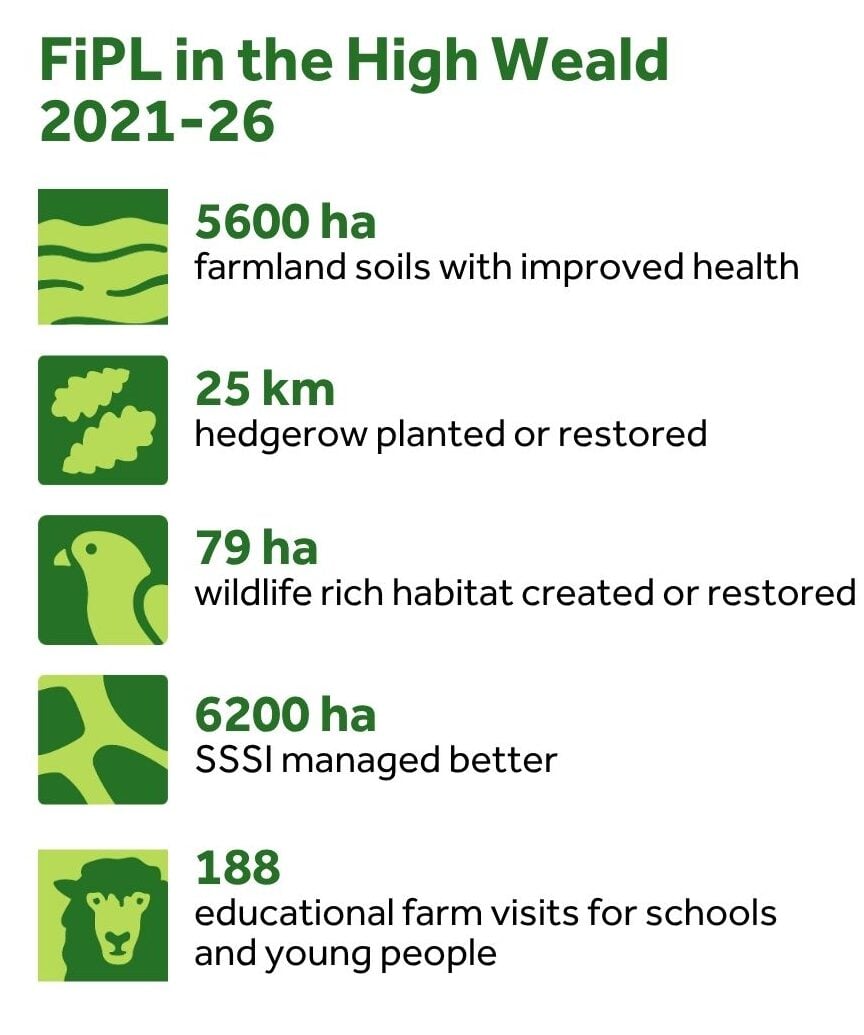
Since 2021, High Weald farmers and land managers have received over £2 million in grants to restore hedgerows, buy specialist kit, manage deer, improve grazing, open up access for visitors and build more resilient businesses, all through FiPL.
Grants range from small equipment purchases to major projects up to £250,000, with no minimum to apply. The High Weald National Landscape team is delivering the programme locally and we are here to help you through the application process. If you’ve got an idea for your land then we would love to hear about it.
If you are interested in applying for a grant, please read through the guidance on this page and submit an enquiry using our short online form. A member of the team will be in touch as soon as they can for an informal chat.
Programme summary
- The FiPL programme is funded by Defra and will run until March 2029.
- It is being operated locally by individual protected landscape teams.
- Open to any farmer or land manager in the High Weald National Landscape, or to organisations or individuals collaborating with a farmer, or group of land managers.
- There is no minimum grant request. The maximum you can ask for is £250,000.
- For projects with a commercial benefit support will be between 40% and 80%, depending on the level of benefit.
- Applying does not affect your ability to join future Defra schemes.
- You can send us a grant application at any time, there’s no annual deadline.
- We are here to help with your ideas and guide you through the process.
To get started, please read our guidance and then just submit an enquiry via our short online form. A member of the team will be in touch for an informal chat.


Application process
There are six steps to applying for a grant:
-
- First, please read all of the guidance on this page and on the DEFRA website.
- Submit an enquiry. We will call you back for an initial conversation about your project idea.
- We will usually then arrange a site visit so you can talk through your ideas with us in more detail.
- If your project is a good fit for a FiPL grant we will then send you an application form. If FiPL isn’t right, we will try to suggest other grant projects or sources of funding.
- Submit your form. We will check we have all the information we need and let you know if we have any questions.
- Decision. We will let you know the outcome of your application as soon as possible. Grants over £5000 are considered by an assessment panel, who meet every six weeks.
£2 million
Since 2021 High Weald farmers have secured over £2 million in grants to help recover nature, tackle climate change, provide opportunities for people to discover the landscape and support sustainable farm businesses.
Read how FiPL has supported other High Weald farmers
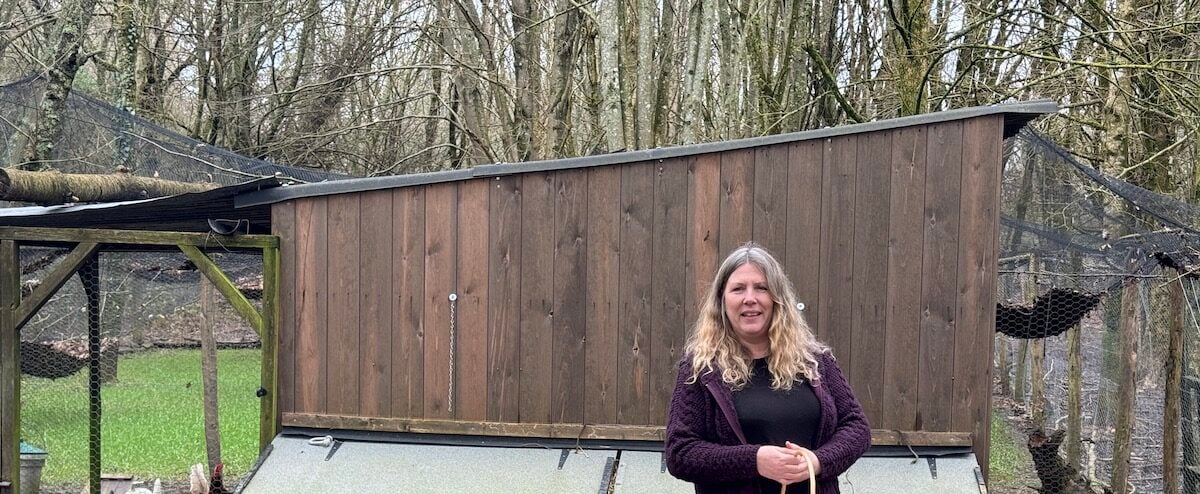
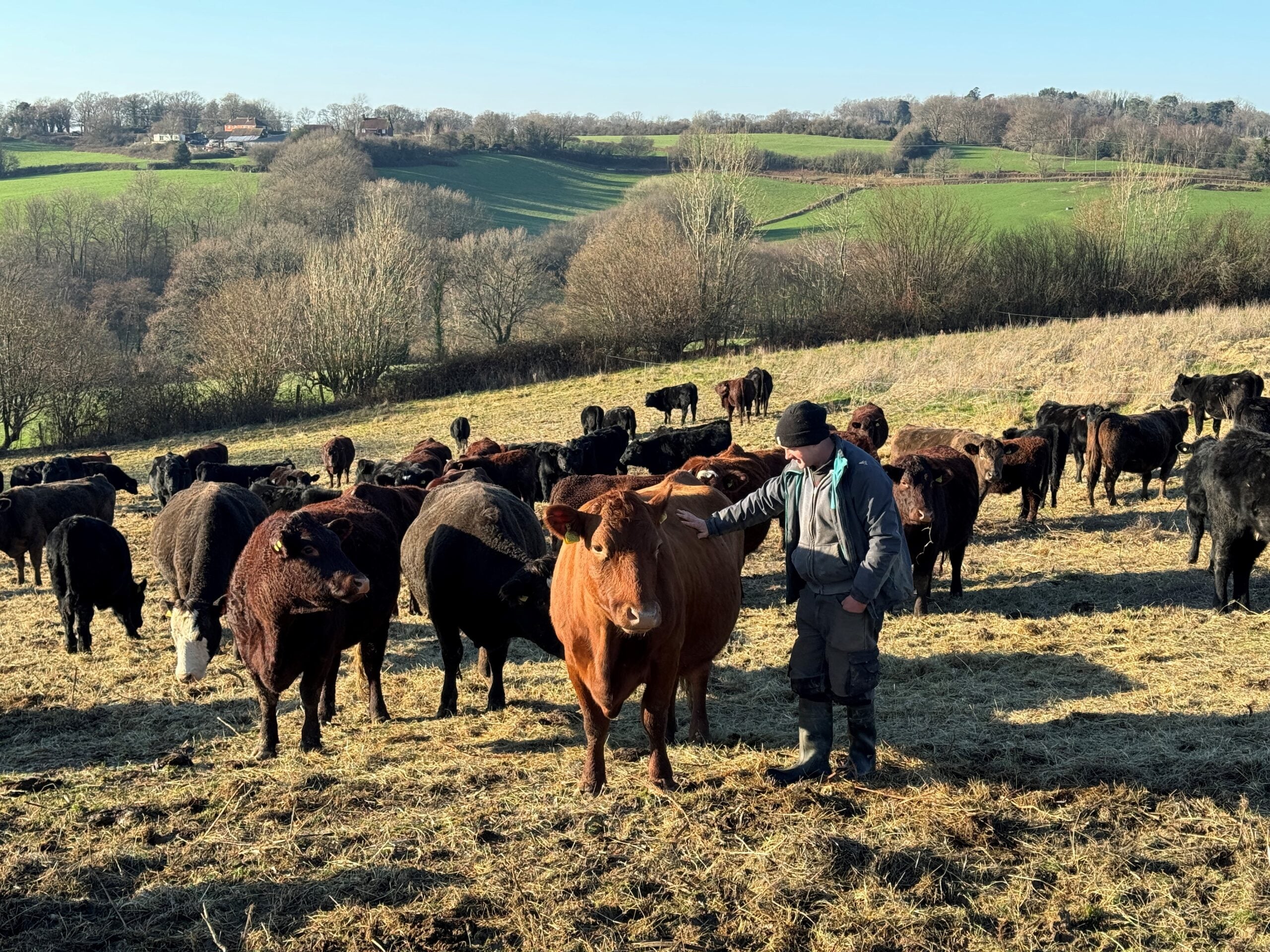
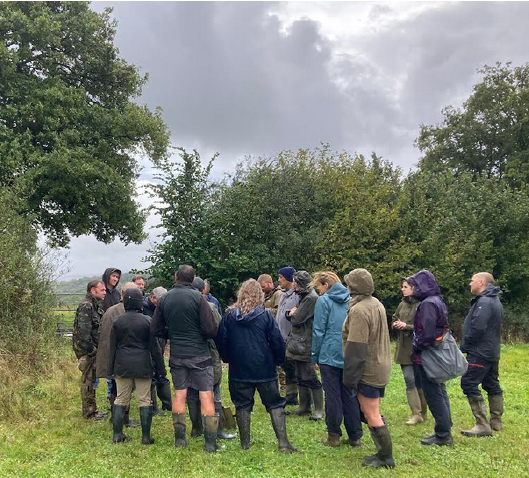
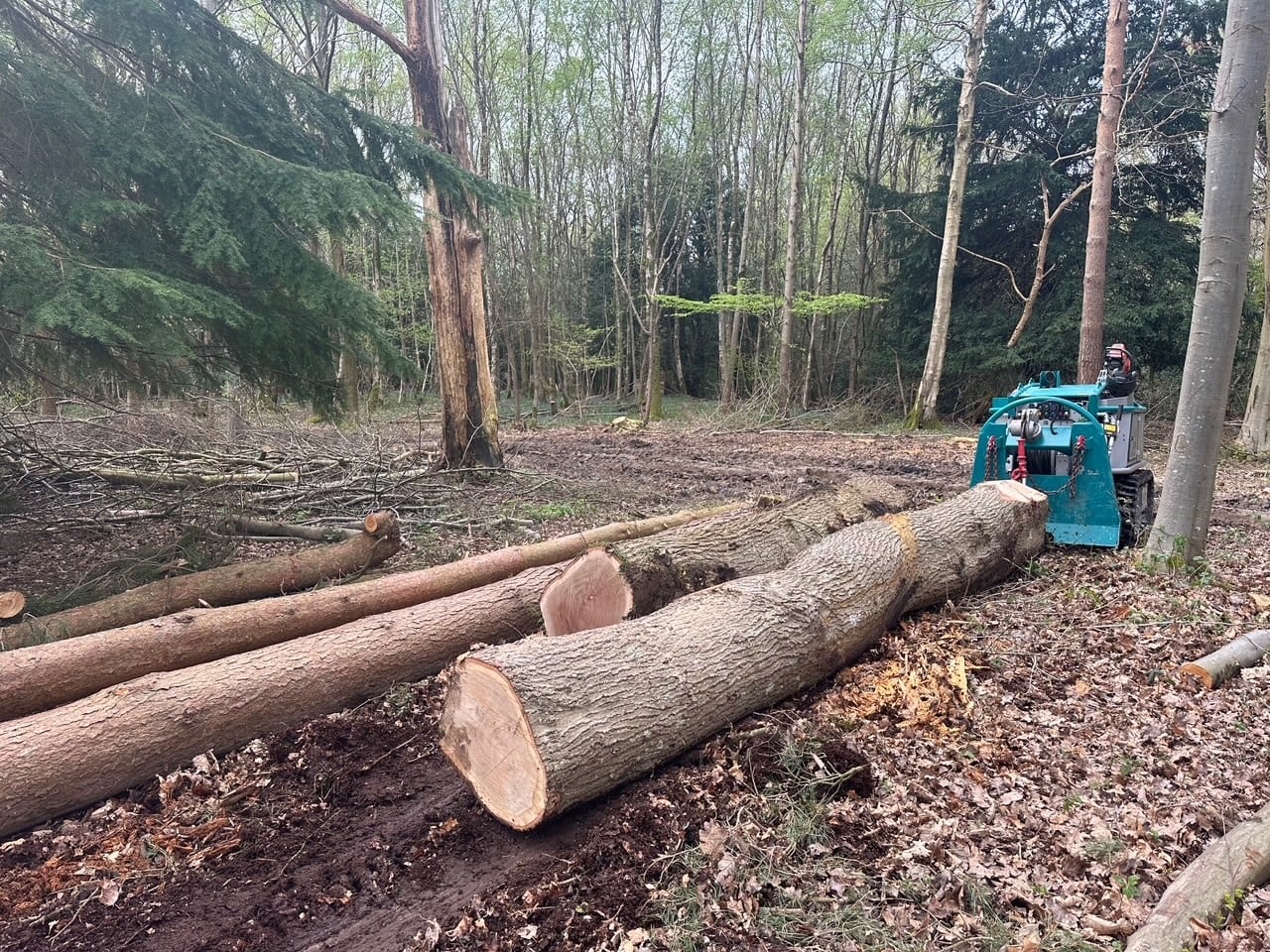
Project inspiration
Read summaries of all of the projects we’ve supported so far:
What are we looking for?
Not sure if your idea fits?
Below are the kinds of projects we’re finding across climate, nature, people, and place – the four themes of the programme. You can also read about the local goals for the High Weald in the High Weald AONB Management Plan (pages 20-51).
Click to expand the sections below for project ideas and inspiration.
More carbon is stored and/or sequestered
Flood risk is reduced
The landscape is more resilient to climate change.
Examples of projects that might meet this goal in the High Weald:
- Installing infrastructure for regenerative agriculture systems, for example mobile planned grazing
- Installing leaky woody debris dams to slow water flow
- Installing rainwater harvesting equipment
- Purchasing equipment that helps manage wildlife hedges on rotation.
There is a greater area of habitat for wildlife
There is greater connectivity between habitats
Existing habitat is better managed.
Examples of projects that might meet this goal in the High Weald:
- Hedge-planting to reinstate lost boundaries
- Use of no-fence technology to improve grazing of wildlife habitats
- Sourcing small-scale management equipment to prevent soil compaction and damage to fields and woods
- Equipment that assists with deer management;
- Equipment that helps with wildflower grassland management, for example cut and collect mowers
- Restorative cuts of overstood coppice
- Rhododendron removal
- Planting disease resistant elms for the White-letter Hairstreak butterfly
- Training in habitat management.
There are more opportunities for more people, and a wider range of people, to explore, enjoy and understand the High Weald.
There is more public involvement in land management.
Farmers and land managers are more able to provide visitor infrastructure and manage visitors.
Examples of projects that might meet this goal in the High Weald:
- Improvements to rights of way to make access easier, for example surfacing works and replacing stiles with gates
- Permissive paths that take people away from sensitive areas or farm operations;
- New car parking areas;
- Waymarking beyond standard requirements
- Information and interpretation materials that educate and guide visitors
- Visitor activities that generate an income for the farm business e.g. cycle hire.
The quality and character of the landscape is reinforced or enhanced.
Historic features are conserved, enhanced, or interpreted more effectively.
There is an increase in farm business resilience.
Examples of projects that might meet this goal in the High Weald:
- Producing business plans with environmental goals
- Developing new uses and markets for farm and wood products e.g. wool and wild venison
- Agroforestry;
- Growing native tree stock;
- Regenerative horticulture;
- Projects that sustain small-scale traditional industries such as hedge-laying and coppicing
- Woodland archaeology surveys that identify where features that need protection are located
- Wildlife surveys to inform environmental management
- Using traditional materials to maintain local character.
Developing your project
Successful applications will need to meet the programme’s goals. It is therefore important that your project is well thought through before you apply for a grant. We are here to help you with that – talk to us, and to others who have experience of similar projects (we can put you in touch with people if needed).
You will need to demonstrate that:
- Your project is good value. You can show this by supplying three quotes and/or comparing your costs to published rates e.g. countryside stewardship payment rates.
- You will undertake the work to a high standard. You can show this by providing detail on how you will do the work or by following a locally or nationally recognised specification.
- You will be able to maintain the work for long term benefit. A simple management plan is the best way of showing how you will do this – visit our page for guidance.
We understand that you may incur costs developing your project. We are therefore offering small grants for the costs of habitat and archaeological surveys and producing management plans. However, we are unable to fund the costs of completing the full application form. We recommend that you do this yourself. You may wish to include supporting information produced by other people.
Remember, we are here to help you develop your project and secure support from the programme!
Guidance from Defra
Visit the Government’s Farming in Protected Landscapes web page for more detail on the programme, including information on the scoring system.
We recommend you also read the document Defra guidance for applicants (373 KB).
We will send you a fillable application form once we have discussed your project with you and agreed it may be suitable. You can download a read-only version of the form here: High Weald FiPL Application Form (2026/27)